For all abilities
Find out what makes padel so inclusive and addictive for players of all abilities and ages.
What makes padel such an inclusive, addictive sport?
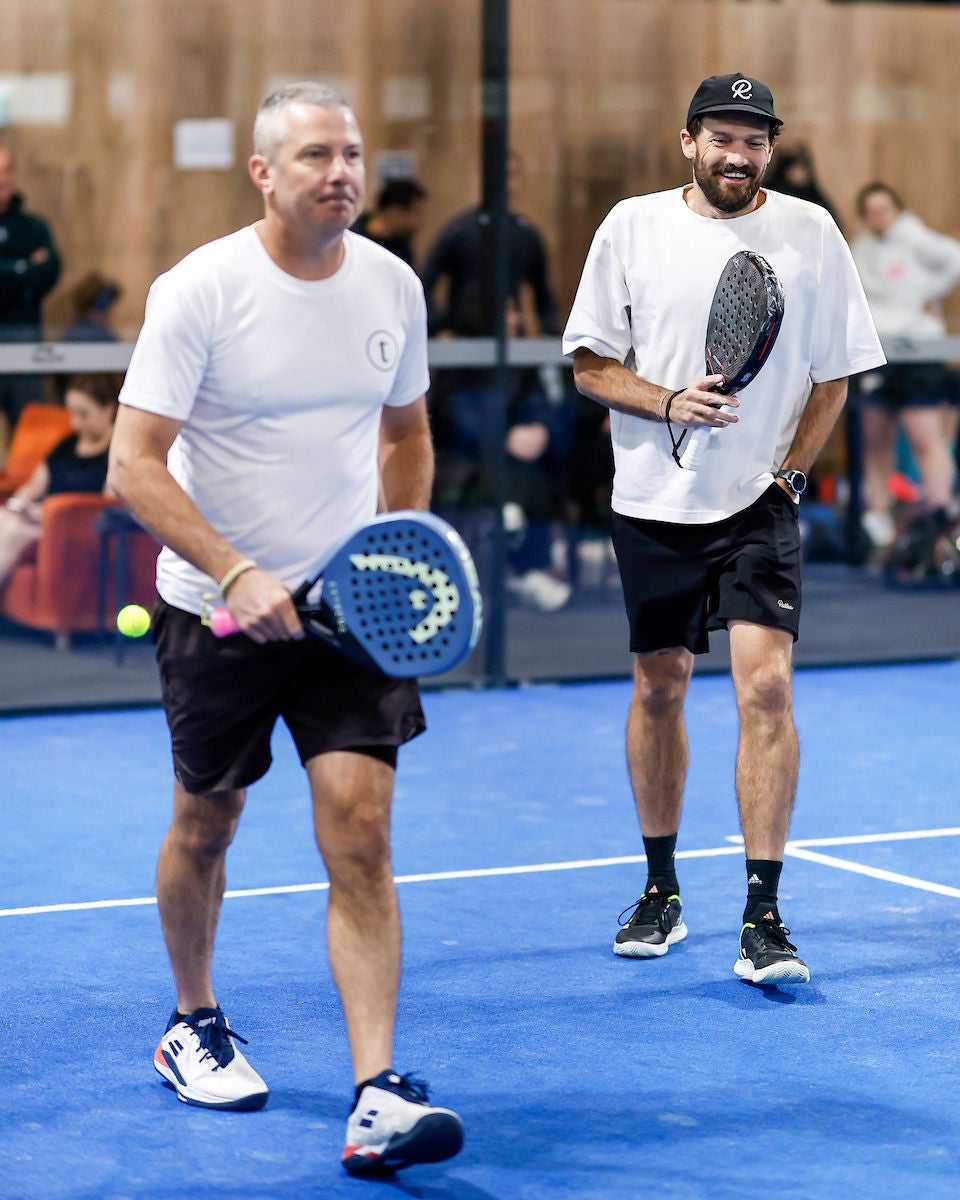
Padel is loved across the globe for it’s unique court and fast-paced, strategic gameplay, but did you know this remarkable racquet sport is super inclusive and low-impact for people of all ages, abilities and disabilities to play?
From the courts and equipment, to the rules and lively community, every part of padel supports accessible play for pals of all skill levels.
Four reasons padel is such an inclusive sport
1. Padel adapts to different play styles
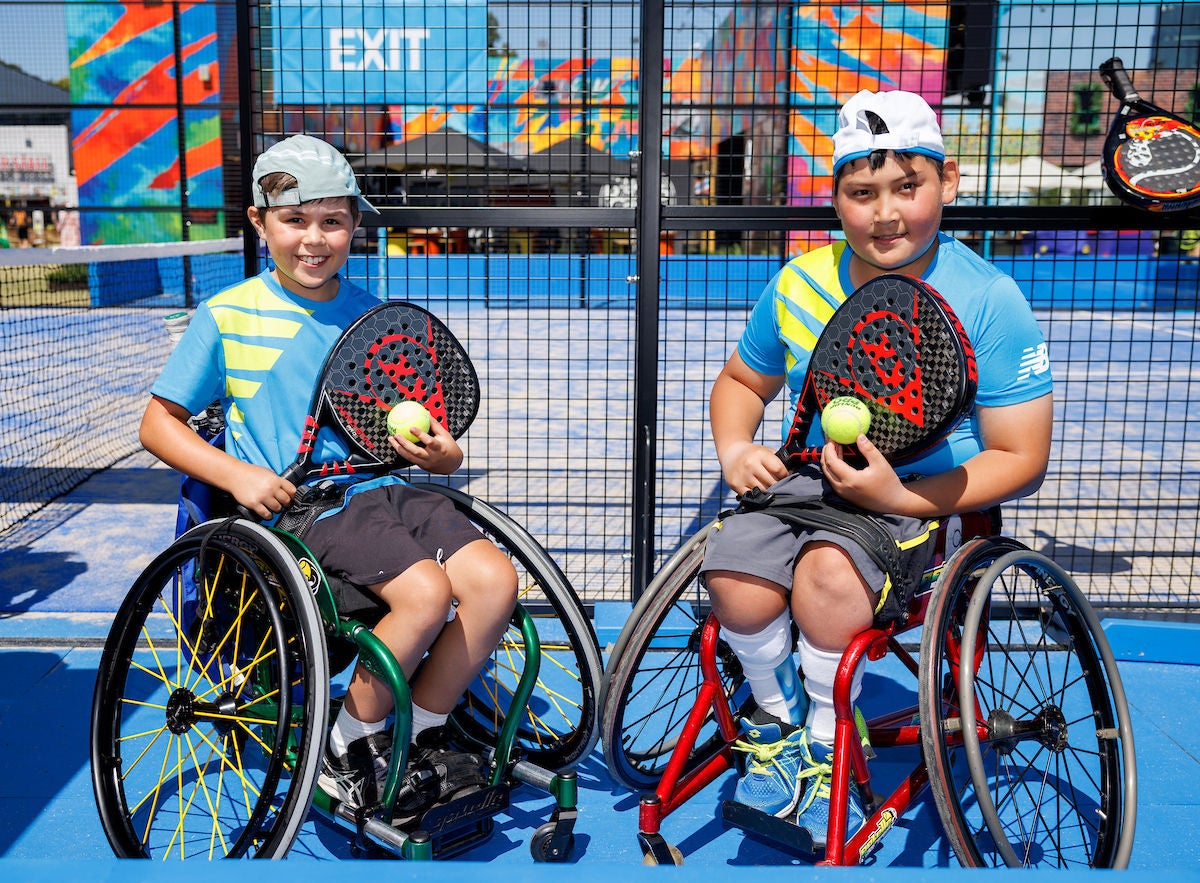
Padel is an inclusive, low-impact racquet sport that blends the best of tennis and squash. The rules, equipment and coaching methods of padel are easy to adapt for different abilities and mobility levels. Padel’s adaptability levels the playing field so it’s easier for people with physical and mental disabilities to socialise and compete with the same padel passion.
It’s no wonder wheelchair-friendly padel continues to grow across the globe.
2. Smaller courts reduce effort and increase play
The compact size of padel courts are optimal for longer rallies and lower physical impact.
Roughly one-third the size of tennis courts, the smaller, enclosed courts mean players waste less energy, physical strain and time chasing balls. All four walls keep the ball in play and are strategically used for longer, continuous rallies.
More controlled movements and less running around to catch balls has the added benefit of being gentler on joints and reducing the risk of injury.
3. It’s easy to pick up and play
Ask any padel player and they’ll tell you it’s an easy sport to learn, hard to master and even harder to give up!
The simple rules and tennis-style scoring of padel makes the sport a cinch for kids and adults of all abilities to learn and remember. This means new players with zero experience reach the rush of rallies, achieve easier serves and build confidence faster than other sports.
More than the simple rules, it’s also a breeze for padel pals of all abilities to pick up (literally!) thanks to the lighter-weight padel racquets. These racquets are lighter than tennis racquets, easier to grip and equipped with a wrist strap for a people with a range of dexterity and strength levels.
4. It’s a community, not just a sport
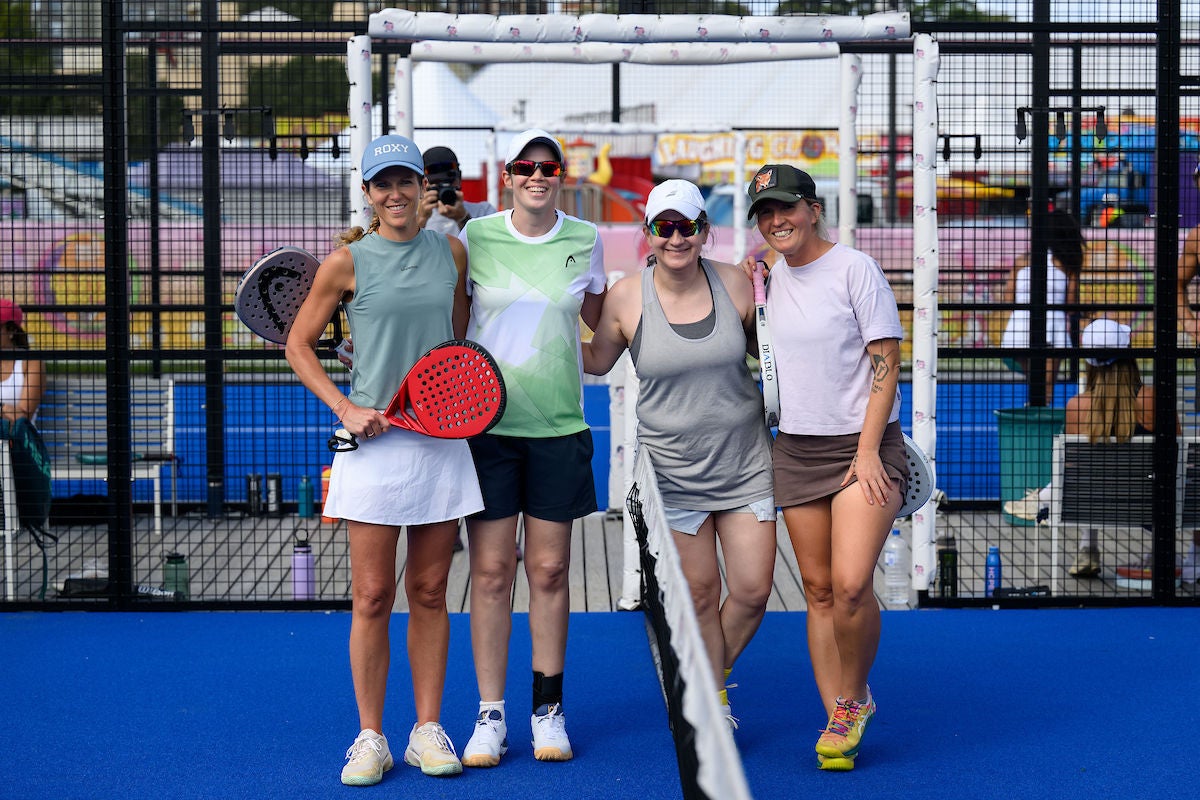
Regular players know a lot more goes on at the padel court than pure playing. The padel community is one of the most welcoming and social around, and not only because padel is a doubles game. When you’re not on court learning team work or strategising with your padel pals, there’s a good chance you’ll find a themed social night or a DJ spinning tunes.
Often, padel facilities are new and purpose-built which, alongside adapted padel play, creates more opportunities for players of all abilities to connect and play together. More than a sport, padel is a growing community of adventurous people around the globe seeking excitement and connection through play.
Meet Chris Okely
“I’ve never felt confident stepping onto a tennis court with family and friends, but from the moment I took to the padel court, I felt included and on a level playing field.
The reduced time spent chasing balls meant it was the only sport where I didn’t feel fatigued like I do with others. It’s also the first sport in my life where I’ve ever played competitively against my dad and actually felt like he wasn’t going easy on me just so I could succeed.
Padel has improved my daily living and independence like no other sport ever has.”

Chris Okely
Padel player, lives with cerebral palsy